
Understanding the psychological effects of gambling on decision-making processes
The Nature of Gambling and Decision-Making
Gambling often involves risk-taking, where individuals must make decisions based on incomplete information and unpredictable outcomes. The psychological effects of gambling can heavily influence these decision-making processes, leading to both rational and irrational choices. Many players seek out the best online betting sites, highlighting how some individuals can resist the lure of betting while others struggle to make sound decisions.

One major factor influencing decision-making in gambling is the concept of loss aversion. Psychologically, individuals tend to fear losses more than they value equivalent gains. This can lead gamblers to chase losses, believing that a subsequent win will compensate for earlier misjudgments. Such behavior reveals how emotions can override rational thought, compelling gamblers to continue wagering despite the odds being stacked against them.
Additionally, cognitive biases play a substantial role in gambling decisions. Gamblers may fall prey to the illusion of control, where they overestimate their ability to influence outcomes in games of chance. This leads to an unrealistic assessment of risk and rewards, ultimately skewing decision-making processes. Understanding these psychological elements provides insight into the often irrational decisions made in the context of gambling.
The Role of Emotions in Gambling
Emotions significantly affect how gamblers make decisions. Positive emotions, such as excitement from a potential win, can lead to impulsive decisions that may not be aligned with rational judgment. Conversely, negative emotions, such as frustration after a loss, can prompt desperate measures, leading gamblers to take greater risks in hopes of regaining what they lost. This emotional rollercoaster can cloud judgment and result in poor decision-making.
The concept of “tilt” is essential in this context. Tilt refers to a state where a gambler becomes emotionally overwhelmed, often resulting from a series of losses. In this state, decision-making becomes erratic, as rational thought is temporarily overshadowed by intense emotions. Gamblers on tilt are prone to making irrational bets, illustrating how emotional states can directly impair logical decision-making processes.
Moreover, the social environment surrounding gambling can amplify emotional influences. For instance, the presence of peers may incite a sense of competition, leading individuals to make decisions they would not typically consider if alone. Such group dynamics can enhance both the excitement and risk factors involved in gambling, further complicating the decision-making landscape.
The Impact of Cognitive Biases
Cognitive biases are mental shortcuts that often lead individuals to make illogical conclusions. In gambling, biases such as the gambler’s fallacy can create a distorted view of probability. Gamblers may believe that after a series of losses, a win is imminent, leading them to place more bets in anticipation of a lucky streak. This misconception can significantly influence decision-making, causing individuals to ignore statistical realities.
Another common bias is confirmation bias, where gamblers focus on information that supports their beliefs while disregarding contradictory evidence. For example, a gambler may recall their past wins more vividly than their losses, creating a distorted perception of their betting abilities. This bias can lead to overconfidence in their decision-making and a false sense of security, making them more likely to gamble impulsively.
These cognitive biases underscore the need for self-awareness in gambling. By recognizing these tendencies, individuals can improve their decision-making processes and mitigate the potential negative impacts of biases. Addressing cognitive biases can be a crucial step in fostering more rational decision-making in gambling scenarios.
Strategies for Responsible Gambling
To navigate the psychological effects of gambling, individuals can adopt strategies that enhance responsible decision-making. One effective approach is to set clear limits on both time and money before engaging in any gambling activity. By establishing these boundaries, gamblers can maintain control over their behavior and reduce the likelihood of impulsive decisions driven by emotional highs or lows.
Another crucial strategy is to practice mindfulness. Being aware of one’s thoughts and emotions can help gamblers make more rational decisions. Mindfulness techniques can reduce stress and anxiety, allowing individuals to approach gambling with a clearer mind. This heightened awareness can also make it easier to recognize when emotions begin to influence decision-making negatively.
Furthermore, seeking support from friends, family, or professional organizations can provide valuable perspectives. Open discussions about gambling habits can lead to increased accountability and better decision-making. By surrounding oneself with a supportive network, individuals can more easily resist the psychological pitfalls of gambling, ensuring a healthier relationship with betting activities.
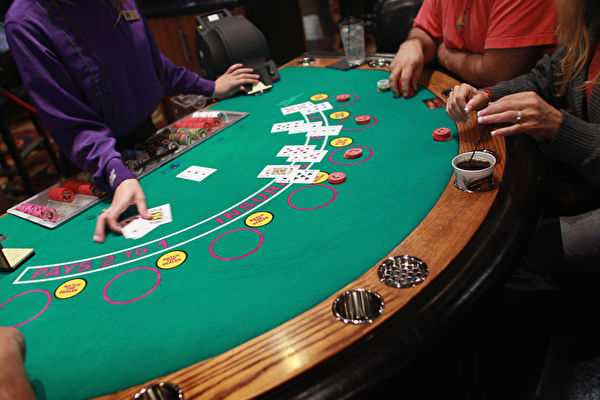
Website for Informed Gambling Decisions
This article aims to illuminate the psychological effects of gambling on decision-making processes, encouraging a more informed approach to gambling. Understanding the mental and emotional aspects involved can empower individuals to make better choices. Whether you are a casual gambler or someone considering more serious betting, the insights provided here can be valuable.
For more information and resources on responsible gambling, explore our website. We provide comprehensive guides, expert tips, and tools to help you navigate the complex landscape of gambling. Ensuring that your gambling experience is both enjoyable and responsible is our priority. Start making informed decisions today and elevate your gambling experience to a healthier level.